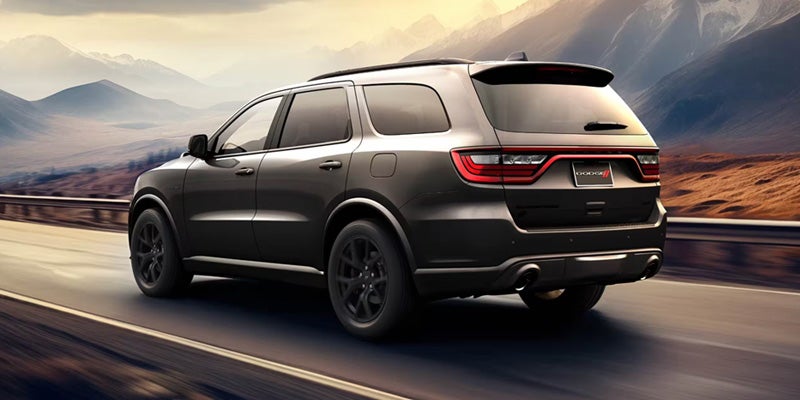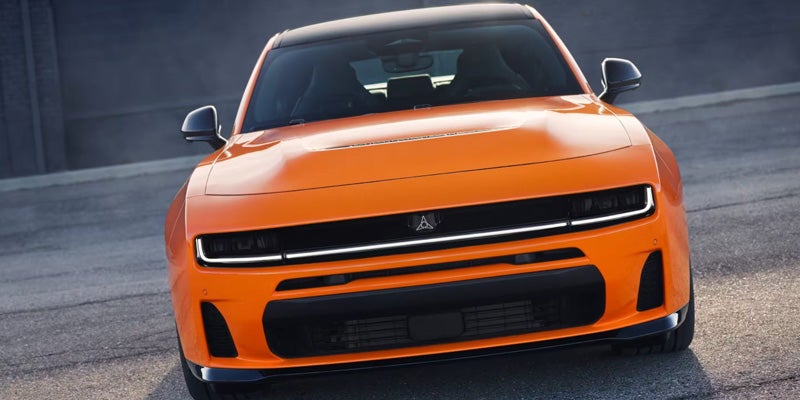



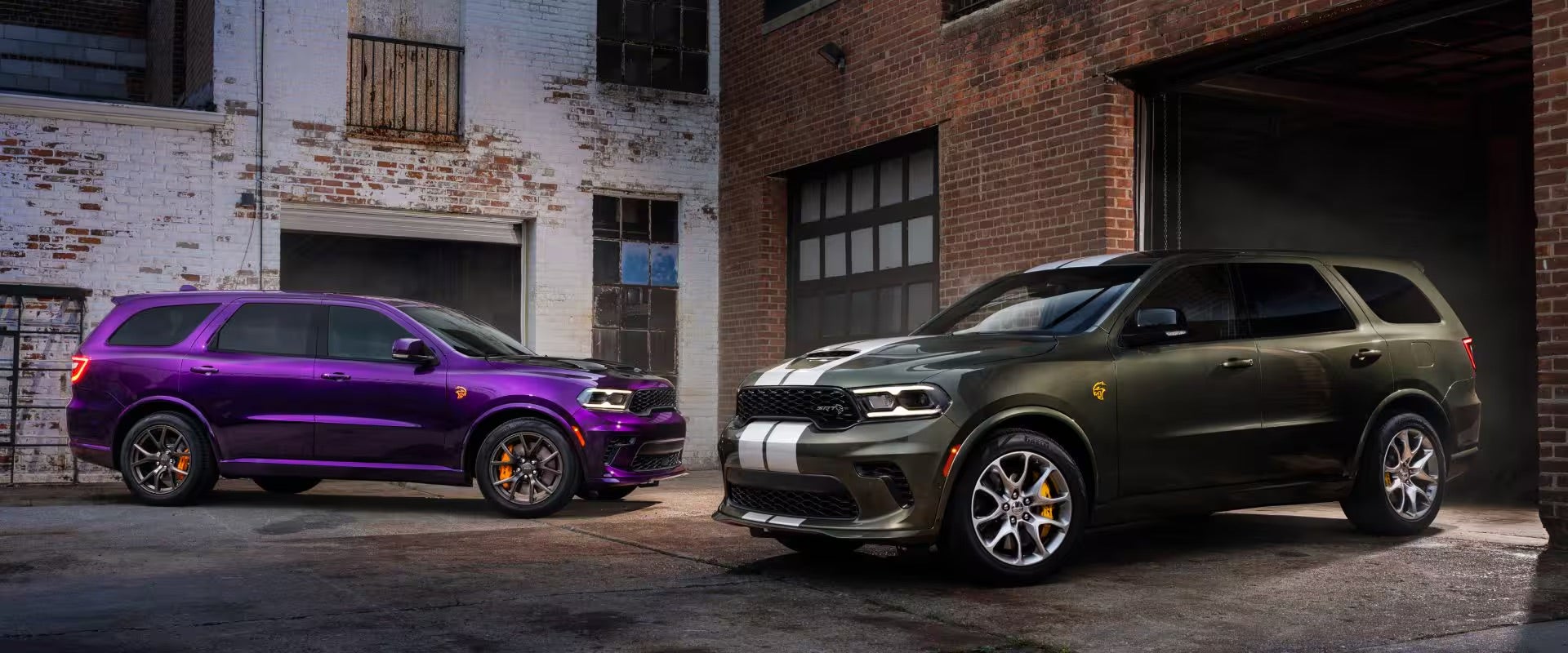
Three rows don’t usually come with this much muscle. The Dodge Durango towing capacity reaches up to 8,700 pounds when properly equipped, giving this full-size SUV enough strength for serious weekend plans without giving up passenger space. Depending on the configuration, the Dodge Durango tow rating changes with the engine and towing equipment you choose. At Murray CDJR of Starke, we can help you look past the biggest number and find a Durango that matches what you actually plan to pull. Quick Answer: How Much Can a Dodge Durango Tow? For 2026, how much can a Dodge Durango tow? The maximum is 8,700 pounds when properly equipped. But not every Durango carries that rating. The Dodge Durango towing capacity ranges from 6,200 pounds with the available V6 setup to 8,700 pounds on properly equipped HEMI® V8 models with the Tow ‘n Go Package. That’s a big spread, so choosing the right powertrain matters if a boat, camper, or trailer is part of your plans. The Tow Rating Changes With What’s Under the Hood The Dodge Durango tow rating starts with engine choice. The 3.6L Pentastar® V6 delivers up to 6,200 pounds of towing capacity when properly equipped. Step up to the 5.7L HEMI V8, and Dodge lists 7,200 pounds of standard towing capacity when properly equipped. That means the Dodge Durango towing capacity can work for different kinds of drivers. You don’t necessarily need the highest-output model if your towing plans are lighter, but shoppers with heavier trailers have room to move up. V6 or HEMI V8? Match the Muscle to the Trailer If your trailer only comes along occasionally, the Pentastar V6 may offer plenty of capability. Dodge rates it at up to 6,200 pounds when properly equipped, along with 295 horsepower and 260 lb-ft of torque. For drivers asking how much can a Dodge Durango tow with HEMI power, the numbers climb. The 5.7L HEMI V8 makes 360 horsepower and 390 lb-ft of torque while supporting up to 7,200 pounds of standard towing capacity when properly equipped. The right choice comes down to more than horsepower. Think about your loaded trailer weight, how often you tow, and how much passenger and cargo weight usually comes along. Tow ‘n Go Turns Up the Capability Want the headline number? This is where things get interesting. The Tow ‘n Go Package raises the Dodge Durango towing capacity to as much as 8,700 pounds on properly equipped HEMI V8 models. Dodge currently offers the package across its HEMI V8 Durango lineup. The package adds more than a bigger Dodge Durango tow rating. Equipment includes a Class IV trailer hitch, integrated trailer brake control, electronic limited-slip rear axle, Bilstein® active damping high-performance suspension, configurable Tow mode, performance exhaust, and other performance upgrades. For drivers who regularly hitch up, those supporting pieces can matter just as much as the number itself. Towing Tech Helps Put the Strength to Work Pulling a trailer is one thing. Keeping it controlled is another. Available towing equipment includes the Trailer Tow Group IV, which adds features such as a Class IV receiver hitch, seven-pin and four-pin wiring harnesses, rear load-leveling suspension, a trailer brake controller, and Blind Spot Monitoring with Trailer Detection on compatible configurations. Trailer Sway Control can also use braking and throttle adjustments to help stabilize a trailer. That equipment helps you make better use of the Dodge Durango towing capacity instead of treating towing as nothing more than an engine specification. Your Passengers and Cargo Count Too The trailer isn’t the only thing adding weight. People, luggage, coolers, supplies, and other cargo all affect how much weight your SUV is carrying. Dodge notes that additional options, equipment, passengers, and cargo can affect payload and towing weights. So the Dodge Durango tow rating on a spec sheet isn’t permission to hook up a trailer at that exact weight regardless of what else is loaded into the SUV. If you regularly fill all three rows before heading out of Starke, that’s worth factoring into your towing setup from the beginning. What Can That Strength Mean for a Starke Weekend? 💪 The Dodge Durango towing capacity makes sense for an SUV that may need to handle family duty one day and trailer duty the next. A properly matched configuration can give you room for passengers while adding the muscle needed for recreational trailers, boats, utility trailers, and other towable gear. Exact compatibility depends on the loaded trailer and the equipment on the specific Durango. That’s why how much can a Dodge Durango tow is best answered with two pieces of information: the trailer you plan to pull and the Durango you’re considering. Match Your Durango to What You Tow At Murray CDJR of Starke, our team can help you compare engines, towing packages, and the Dodge Durango towing capacity of the SUVs you’re considering. Browse our available Dodge Durango inventory to explore current configurations, then bring us your trailer weight and towing plans. We’ll help you narrow down the right setup and verify the Dodge Durango tow rating on the exact vehicle before you hitch up. Three Rows. Up to 8,700 Pounds. No Small Plans. The Durango proves a family SUV doesn’t have to sit out when the trailer comes along. With multiple powertrains, available towing hardware, and a maximum Dodge Durango towing capacity of 8,700 pounds when properly equipped, it gives Starke drivers plenty of room to build an SUV around both passengers and playtime. The biggest number is impressive. The better move is choosing the Durango whose capability fits what’s actually waiting on the hitch.
Jeep Wrangler vs Gladiator: SUV or Pickup?
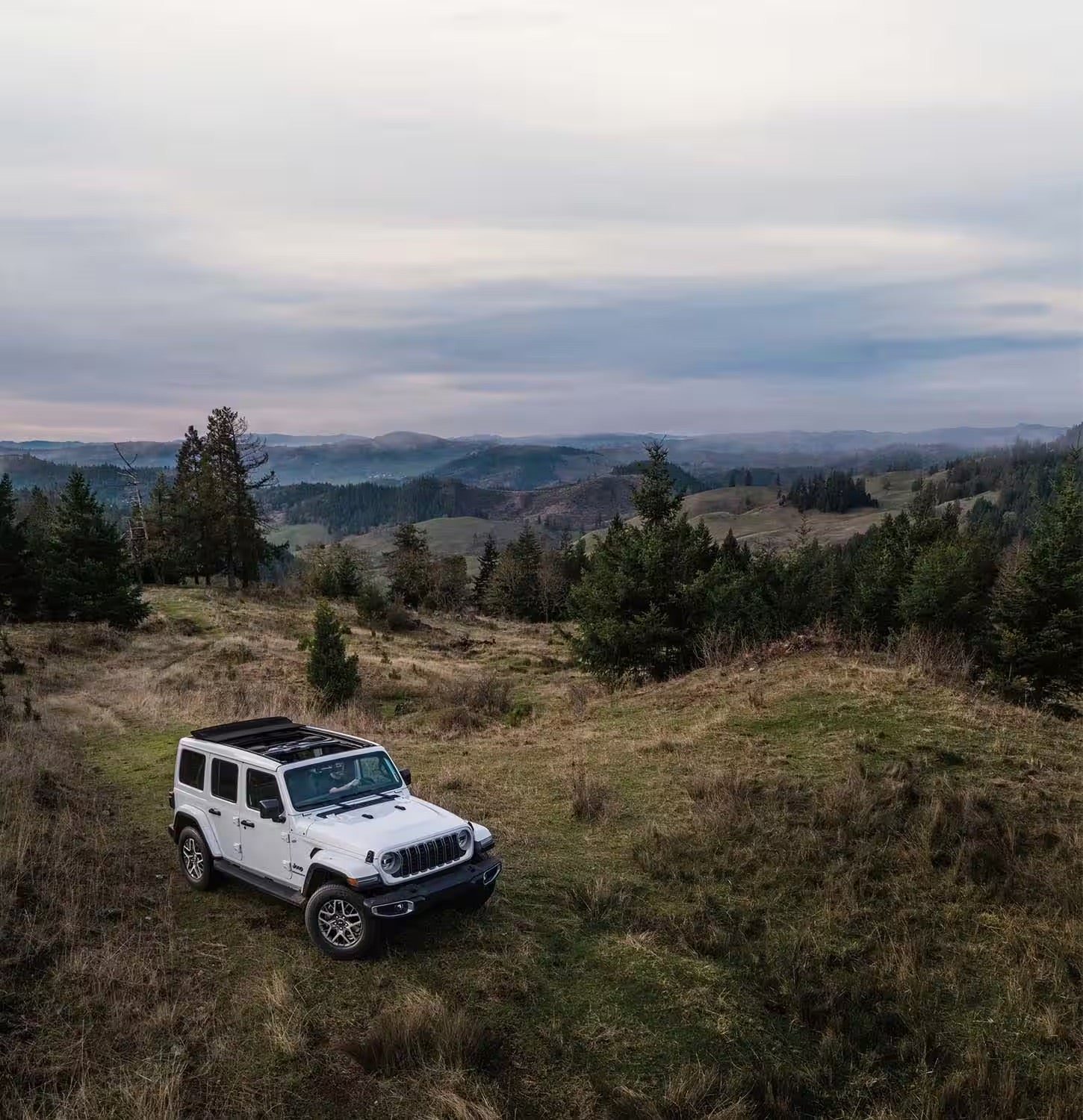
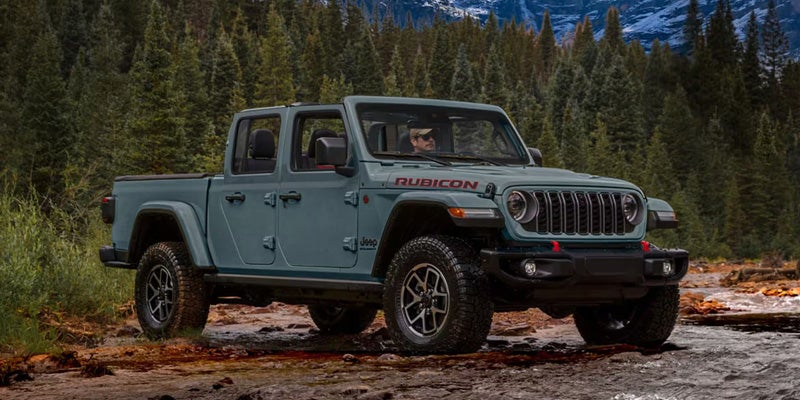
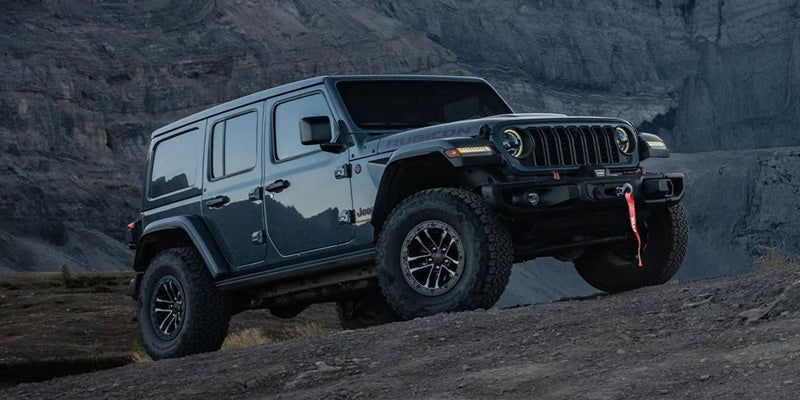
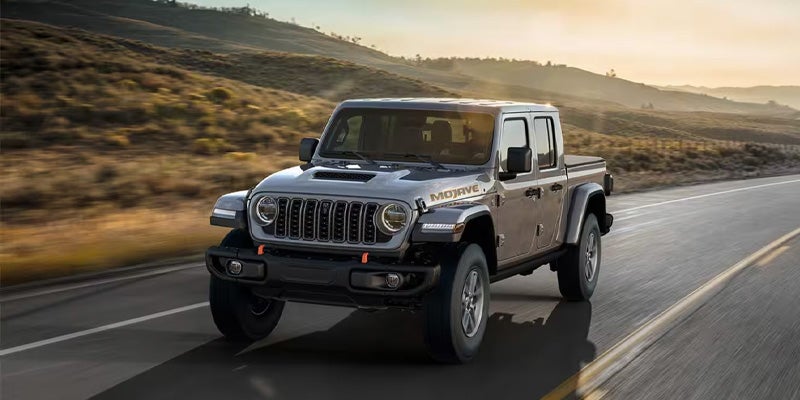
The Jeep Wrangler and Jeep Gladiator share an unmistakable family resemblance. Both bring authentic Jeep Brand character, open-air freedom, standard 4x4 capability, and trims designed for drivers who don’t always stay on pavement. The big difference is parked behind the cabin. Wrangler gives you an enclosed SUV cargo area, while Gladiator adds a five-foot pickup bed. That single change affects overall length, towing strength, cargo flexibility, trail maneuverability, and everyday usefulness. When comparing Jeep Wrangler vs Gladiator, the decision comes down to one question: Do you need SUV versatility, or truck utility offered by a new Jeep Gladiator for sale? Wrangler Keeps the Adventure Inside Wrangler is the SUV of this comparison, with two-door and four-door body styles that balance maneuverability, passenger space, and cargo flexibility. The two-door Wrangler measures 166.8 inches long, while the four-door stretches to 188.4 inches. When comparing Jeep Wrangler vs Gladiator, Wrangler’s shorter footprint can make it easier to handle on tight trails, in crowded parking lots, and around downtown Starke. The four-door adds easier rear-seat access and more room for passengers and gear. Wrangler also keeps cargo protected inside, which is useful for groceries, luggage, camping supplies, and anything you’d rather shield from Florida rain. It’s the stronger fit when enclosed storage and passenger flexibility matter more than having a truck bed. Gladiator Puts a Pickup Bed Behind the Jeep Experience When comparing Jeep Wrangler vs Gladiator, the Gladiator stands out by adding real pickup utility to familiar Jeep design. Every current Gladiator combines a four-door cabin with a 60.3-inch bed, giving bikes, tools, coolers, landscaping supplies, and muddy gear a place outside the passenger area. That extra cargo space comes with a larger footprint. At 218 inches long, Gladiator requires more room to park and has a longer wheelbase than Wrangler. The tradeoff is greater hauling flexibility, while Wrangler may feel easier to maneuver on tighter trails and around town. Shoppers searching for a new Jeep Gladiator for sale should look beyond the rugged styling and think about how often they’ll use the bed. Gladiator is the stronger fit for home projects, outdoor equipment, and cargo-heavy weekends, while Wrangler keeps the advantage for drivers who prefer a shorter, more SUV-like setup. The Specs Tell Two Different Stories A look at Jeep Gladiator vs Jeep Wrangler specs makes each model’s purpose clear. The 2026 Gladiator’s 3.6-liter Pentastar V6 delivers up to 285 horsepower and 260 pound-feet of torque. When properly equipped, it can tow up to 7,700 pounds and carry up to 1,720 pounds of payload. In Jeep Wrangler vs Gladiator, a four-door Wrangler can tow up to 5,000 pounds, while a two-door model can tow up to 2,000 pounds. Gladiator has the edge for heavier trailers and truck-style hauling, while Wrangler is better suited to lighter towing and SUV-focused adventures. Which One Handles Daily Life Better? There’s no automatic winner in Jeep Wrangler vs Gladiator. The better daily driver depends on what “daily” means for you. Wrangler may be the easier fit when you: Frequently park in tighter spaces Want enclosed cargo storage Prefer the choice of two or four doors Carry passengers more often than dirty or oversized gear Want a shorter vehicle for trails and city driving Gladiator may be the smarter choice when you: Regularly haul outdoor gear or project supplies Need stronger maximum towing capability Want a truck bed without losing Jeep open-air character Carry cargo you’d rather keep outside the cabin Need one vehicle for weekday jobs and weekend trails For drivers traveling between Starke, Gainesville, Jacksonville, and nearby North Florida communities, both can handle commutes and weekend trips. A new Jeep Gladiator for sale makes more sense when two rows of seating, open-air Jeep character, and pickup utility all belong on your must-have list. Trail Personality Comes Standard In Jeep Wrangler vs Gladiator, choosing the pickup doesn’t mean leaving Jeep capability behind. Both models carry the Trail Rated badge, although available equipment varies by trim. Wrangler’s shorter body can help on narrow routes and sharp trail turns, while Gladiator adds room to carry more equipment in its bed. Rubicon models push both vehicles toward technical terrain with specialized off-road hardware. Gladiator also offers Mojave models designed with desert-running performance in mind. The right trim matters almost as much as choosing between SUV and pickup, so compare the exact tires, suspension, differentials, and packages on each vehicle. Put SUV and Pickup Side by Side in Starke A list of Jeep Gladiator vs Jeep Wrangler specs can narrow your choices, but it can’t show you how each vehicle fits your routine. Sit in both. Open the Wrangler cargo area. Lower the Gladiator tailgate. Check rear-seat access and picture where your usual gear would go. At Murray CDJR of Starke, our team can help you compare Jeep Wrangler vs Gladiator models and review the equipment on specific vehicles. We’re located on US-301 in Starke and serve drivers throughout Bradford County and North Florida. Explore our Jeep inventory, schedule two back-to-back test drives, or ask our team to help you locate a new Jeep Gladiator for sale with the capability and features your plans require. Pick the Shape of Your Next Adventure Wrangler keeps the classic Jeep formula focused on SUV flexibility, a more compact footprint, and enclosed cargo space. Gladiator stretches that formula into a pickup with a five-foot bed and greater maximum towing capability. That’s the clearest way to think about Jeep Wrangler vs Gladiator. Choose Wrangler when you want an adventure vehicle that works like an SUV. Choose Gladiator when your projects, hobbies, or weekends call for a truck. For shoppers considering a new Jeep Gladiator for sale, the pickup bed and added hauling strength are what make it the more practical everyday choice.